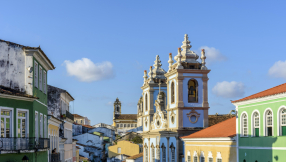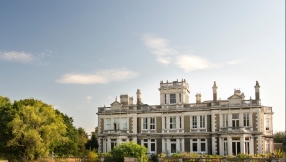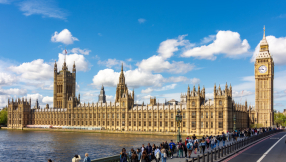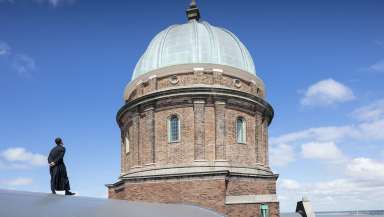
A new report has suggested that churches and other local historic buildings can improve general wellbeing and provide people with emotional stability.
The report, published by Historic England in partnership with the University of Glasgow, found that local historic landmarks and buildings, whether they be ancient churches or old pubs, help people to feel connected to their environment and provide a sense of security and stability.
Conversely, the report also suggested that the loss of such a building or landmark can lead to grief or emotional distress. An example of this was the public sorrow when the Cutty Sark - since rebuilt - went on fire in 2007, or more recently the illegal felling of the Sycamore Gap tree at Hadrian’s Wall.
As well as emotional stability and connection, the report even suggests that historic places “possess restorative qualities comparable to natural green spaces, promoting wellbeing”.
The historic building does not need to be famous for it to have these effects on people. In fact research in 2024 by Historic England suggested that “everyday historic places” apparently did more for the wellbeing of local residents than the likes of Stonehenge or Canterbury Cathedral.
The findings of the report are supported by an opinion poll conducted by Savanta on behalf of Historic England, which found that 71 per cent of people believe local historic buildings to be important for their quality of life.
Some 63 per cent said that proximity to historic buildings improved their wellbeing, rising to 70 per cent among those aged 25 to 34.
Claudia Kenyatta and Emma Squire, Co-CEOs of Historic England said in a statement, “The deep connections people form with historic buildings and places help to explain why they really matter.
"It also sheds light on why proposed change and development in our cities, towns and villages, which are brimming with heritage, brings about such strong public feeling.
“The affinity people have to historic landmarks, from the cinema where you had your first date to the seaside pier you visited as a child, play an important role in determining where people choose to live, visit, spend and invest.
"This is good news for communities and local economies.”