Churches across the Diocese of Bristol supported 40,773 people through 418 social action projects in the past year, according to a newly published audit charting the depth and reach of parish-led community work.
The 2025 Social Action Audit, carried out in collaboration with the Cinnamon Network, offers what the Diocesan Secretary, Richard Leaman, describes as “robust evidence of both the social impact and economic value” of church-based initiatives across Bristol, South Gloucestershire, North Wiltshire and Swindon.
From toddler groups and youth mentoring to foodbanks, community cafés and crisis support, 97 active churches contributed to the total, with 1,634 volunteers giving 121,660 hours of service over the past 12 months.
Introducing the report, Mr Leaman said he was delighted to present findings that quantify what many already witness on the ground.
“The findings reflect what many of us already knew: that our parishes are right at the heart of their neighbourhoods, offering places of welcome, comfort, and hope,” he said.
“Day by day, churches are serving people of all ages and backgrounds, responding to need with compassion, creativity and deep commitment.”
The audit paints a picture of churches embedded in everyday community life, from inner-city Bristol and Swindon to rural Wiltshire villages.
Across the diocese, 108 churches - accounting for 64% of all parishes - took part in the survey. Of those, 97 were recorded as providing at least one community-facing project over the past year.
In total, churches logged 418 different social action programmes, collectively supporting 40,773 people.
The projects range widely in scope, but among the most popular are shared meals and hospitality initiatives, toddler and early years groups, lunch clubs for older people, youth work, drop-in sessions, training courses and advice services.
Emergency provision forms a significant part of the picture, with foodbanks and crisis response initiatives assisting thousands facing financial hardship or housing insecurity.
The report says that churches are “uniquely placed” to offer this kind of support because they are rooted in their neighbourhoods, trusted by local residents, and capable of responding as needs arise.
Mr Leaman expressed his hope that the findings would strengthen confidence across parishes and encourage wider collaboration.
He added: “I pray it will spark fresh conversations, nurture new partnerships, and encourage closer collaboration with community organisations, local authorities and other agencies who care for people in need.”
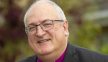
Acting Bishop of Bristol and Bishop of Swindon, the Rt Rev Neil Warwick, said the audit captures the spirit behind the numbers.
“Parishes and their people in the Diocese of Bristol serve as beacons of hope and light in their local communities,” he said.
“Each church, volunteer, activity and hour shared reflects a commitment to service and care for others. This report shows the compassion and support offered, and it is a joy to see this work being carried out by our churches.”
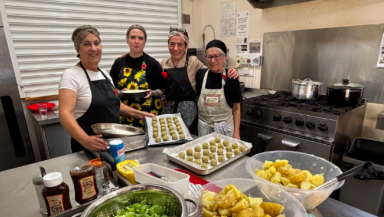
Among the examples highlighted is B&A Meals, which prepares about 1,000 hot meals weekly for 20 churches and Christian organisations across Bristol.
By supplying ready-prepared food to parishes with limited kitchen facilities, the initiative enables local churches to host community lunches and warm spaces for those experiencing loneliness or financial pressure.
Another featured project is Shine Pinehurst, a Fresh Expression of church in Swindon working with youth on the Pinehurst and Penhill estates.
Its youth-led initiatives, including The Wonky Pizza Co., aim to build confidence and create safe spaces where young people can relax, and develop skills and leadership.
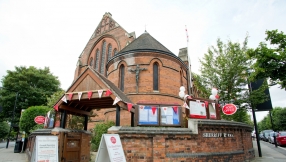
The report also showcases the work of St Barnabas, Knowle West, where the BS4 Foodbank and weekly toddler group have become trusted hubs for families and individuals seeking practical help and connection.
Partnership is described as “a defining strength.”
Some 59 parishes are already collaborating with schools, charities, community groups or statutory agencies, and an additional 18 have expressed a desire to develop new partnerships.
However, the audit also highlights significant pressures facing parishes.
A total of 83 active churches reported funding shortfalls, while 52 said they were struggling with a lack of volunteers.
In addition, 45 churches indicated that improvements to their buildings - including better heating, improved accessibility and upgraded kitchen facilities - are necessary if they are to sustain or expand their work.
Leaders say addressing these constraints forms part of the Diocese’s ‘Transforming Church Together strategy’, which seeks to reimagine how churches collaborate with communities to enable sustainable community transformation.
The conclusion of the report describes a diocese “united in compassion, creativity and commitment, acting as a powerful force for Gospel change”, but is also clear that continued investment and partnership will be essential if current levels of support are to be maintained.
Overall, it states, churches are “places of belonging, responding with practical help and relational care, and stepping into complex needs with humility and hope” - laying a foundation to reinforce and expand social action in the coming years.
Celebration events to mark the findings will be held in Bristol on February 26 at St Paul’s Church, Southville, and in Swindon on March 10 at Swindon Academy, Pinehurst both from 7-9pm.