Last week, Scotland’s assisted dying bill was narrowly defeated by MSPs, by 69 votes to 57.
This was a significant shift in the mood at Holyrood. It was unexpected, but came about as a result of proper scrutiny of this issue. The professional bodies raised significant concerns around issues of coercion, inadequate palliative care, oversight for doctors making the decisions and protection for those with ethical objections to participating. These concerns played a key role in the outcome of the debate.
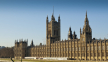
Similar fears are dominating the passage of Kim Leadbeater’s terminally ill adults bill in the Westminster Parliament. The bill is currently deep in its House of Lords committee and seems likely to run out of time. If it does not complete all its stages by the time Parliament prorogues ahead of the King’s Speech in May, it will fall altogether.
Peers have been accused by some supporters of trying to ‘sabotage’ the bill by tabling more than 1,200 amendments. But the Lords were expected to scrutinise the bill and they have been doing exactly that. Many MPs voted for it at third reading on the understanding that the lack of deep scrutiny in the Commons would then happen in the Lords.
By convention, the Lords does bow to the will of the elected Chamber. But this bill was in no-one’s manifesto so there was no democratic obligation for the Lords to nod it through.
And the repeated assertion that the bill is only opposed by ‘religious people’ following the demands of their Chief Whip in the sky or the Pope in the Vatican does not hold water.
Firstly many of its key opponents are not approaching it from a faith perspective. Baroness Finlay and Tanni Grey-Thompson are not Christians but are contesting the bill due to their expertise and experience respectively as a professor of palliative medicine and a disability campaigner.
And secondly, it’s both simplistic and offensive to suggest that many Christians disagree with the bill because we are told to, without engaging our hearts or our brains. Quite the contrary: following Jesus should place compassion and desire for human dignity at the heart of our world view.
We believe each individual is made in God’s image and therefore valuable beyond measure. This helps us to recognise the needs of the vulnerable and those without agency, rather than allowing the most vocal and articulate voices to drown them out. We fear the watering-down of society’s horror at suicide and oppose the prospect of people seeking an assisted death because they are coerced into it, or who self-coerce because they do not want to be a burden to others.
Some believe that MPs who oppose assisted dying should vote for it because the majority of the public seem to support it. Indeed some Christian MPs voted for same-sex marriage even if they believed it wasn't the Biblical ideal, because it reflects the realities of society today. But assisted dying legislation is literally about life and death. Proponents claim the bill is watertight but this is manifestly not the case. And no bill of this kind could ever mitigate against all unforeseen consequences. Establishing the principle is one thing. Creating a workable, safe piece of legislation is another.
Supporters of assisted dying are now talking of trying to reintroduce another private member’s bill into the next session, and of using the Parliament Act to force it through the Lords. There have been calls to set up a Royal Commission to deeply consider the issues, and to speed up House of Lords reform to ensure that they can’t block future proposals.
The current Prime Minister seems reluctant to give government time to the issue because it creates more divisions within an already-fractious Labour party. And international affairs are currently dominating most of our political head-space. However, we can be sure this issue is not going away. Please continue to pray for compassionate witness and wise engagement by all those campaigning for the dignity and humanity of the vulnerable and voiceless, and that we will reflect God’s love for all people into the public square.
Tim Farron has been the Member of Parliament for Westmorland and Lonsdale since 2005 and served as the Leader of the Liberal Democrat Party from 2015 to 2017. Tim is also the host of Premier’s ‘A Mucky Business’ podcast, which unpacks the murky world of politics and encourages believers around the UK to engage prayerfully. He is the author of A Mucky Business: Why Christians should get involved in politics."